|

|
"The right to criticize government is also an obligation to know what you are talking about." -Lent Upson, first director of Citizens Research Council |
|
|
|
|
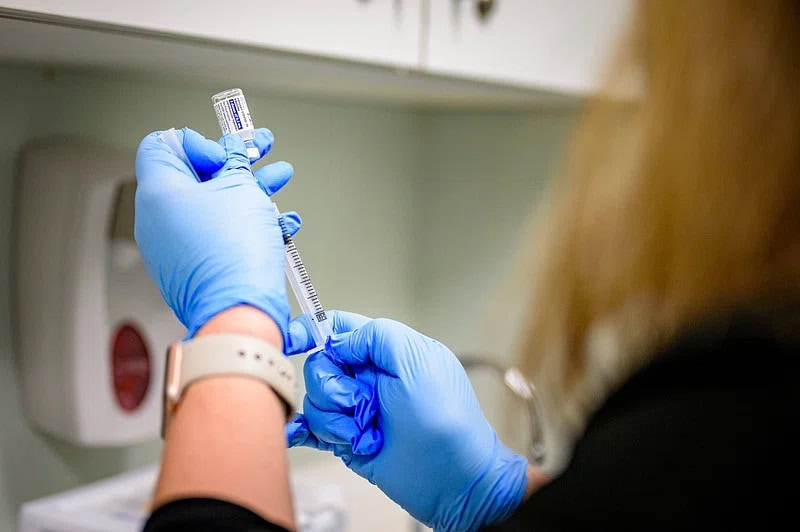
Federal Policy Changes Expected to Make it Harder and More Expensive to be Vaccinated in Michigan |
|
Recent changes to federal vaccination policy, driven by Secretary Kennedy’s dismissal of ACIP members and unilateral decisions about COVID-19 booster recommendations, mark a significant departure from the evidence-based, expert-led process that has traditionally guided national immunization guidance. It is likely these changes will lead to confusion about vaccination best practices and impact the ability of people who want to obtain vaccinations to afford them.
Michigan policymakers are likely to face decisions in the near future about how to replace CDC messaging infrastructure, establish its own advisory processes akin to ACIP, and pursue policy solutions to ensure cost does not become a barrier to immunization for those who want to get vaccinated. Options such as insurer mandates, state-funded vaccine clinics, or subsidies to maintain vaccine coverage all offer avenues to mitigate the fallout from federal actions, although none of them are easy solutions. Given the stakes of declining vaccination rates, the time to deliberate of the path forward is now.
IN A NUTSHELL -- Changes to federal vaccination recommendations are likely on the horizon, which would make it harder for many people to obtain certain vaccines without paying out-of-pocket. -- Vaccination rates have been declining in recent years, but these changes could further reduce both seasonal vaccination rates for diseases like COVID-19 and childhood vaccinations rates for diseases like measles. -- State policymakers should consider what Michigan could do to promote vaccination and ensure everyone who wants to get vaccinated is able to do so regardless of the cost. |
|
|
|
The Impact of Federal Medicaid Cuts on Michigan |
|
Medicaid in Michigan Roughly 21 percent of the population nationwide and 23 percent of Michigan residents obtain health insurance through Medicaid. Michigan has the highest Medicaid enrollment rate in the Midwest and the eighth highest nationally.
IN A NUTSHELL -- 39% of Michigan's children and 22% of adults are enrolled in Medicaid -- At least 200,000 people in the state would lose direct insurance coverage -- Even more people would likely lose services from healthcare providers who are unable to continue operations -- Rural heath care providers and hospitals are particularly vulnerable, as are those with private coverage living in those areas |
|
Emerging Leaders Council Event: Medicaid Cuts on Michigan Members of our Emerging Leaders Council (if you're not yet a member, join here today!) are cordially invited to a Lunch & Learn Zoom conversation at noon Wednesday, July 16, with Karley Abramson, our health policy research associate and author of our most recent paper: Federal Medicaid Cuts Will Have Big Consequences in Michigan and Bob Schneider, our senior associate for state affairs who will provide information about the impact of potential cuts on the state budget and why the insurance provider tax makes the fiscal effects on Michigan even greater.
If Congress passes the legislation currently before our Zoom call, we will have much more detail when we meet. |
|
Catch Up On More Recent Reports:
|
|
|
|
|
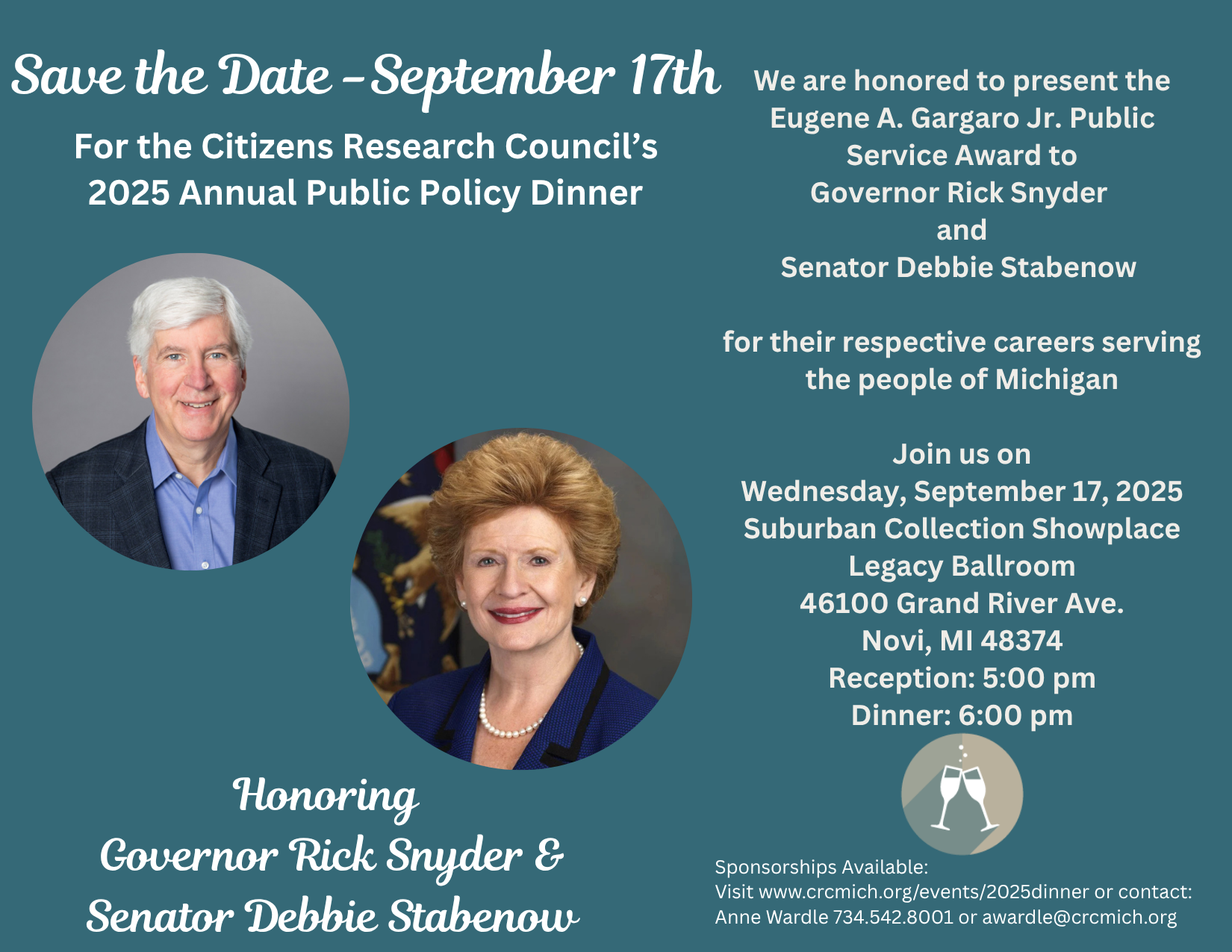
Sponsorships Available! Please don't hesitate to contact us directly with questions. |
|
|
The Research Council in the News |
|
Report: at least 200,000 Michiganders would lose health care coverage from proposed Medicaid cuts, Michigan Advance (June 27)
Citizens Research Council Memo Outlines the Potential Impact of Proposed Federal Medicaid Cuts on Michigan, Michigan Business Network (June 27)
Sales Tax Study Sets Stage for State Push, Bridget Detroit (June 25)
Smaller high school graduate counts forecasted for Southeast Michigan, Macomb Daily (June 23)
Report: Federal budget reconciliation could make MI free school lunches more expensive, Gongwer (June 23)
Genesee Health System shows off groundbreaking Behavioral Health Urgent Care, WNEM TV-5 (June 19)
Politicians are calling for school reform: What Michigan has already tried, Detroit Free Press (June 16)
Mackinac Moments - Talk of tariffs, politics, business and opportunities, Michigan Matters/CBS News (June 9) |
|
|
|
Do you want to ensure better policy decisions and better government in Michigan? A donation to support our organization will help us to continue providing the trusted, unbiased, high-quality public policy research Michigan needs. We also accept charitable bequests. Click the fuel tank to donate or learn more about planned giving. |
|

|
Citizens Research Council of Michigan
Livonia 734.542.8001 | Lansing 517.485.9444 | Holland 616.294.8359
|
|


|
Unsubscribe Footer
|