"The right to criticize government is also an obligation to know what you are talking about."
-Lent Upson, first director of Citizens Research Council
|
Policymakers at All Levels Can Work Toward Indoor Indoor Air Quality
|
While there is only so much any single state can do to protect against global viruses like COVID-19, policymakers can prepare for the impact of future diseases on Michigan residents. A key focus of these efforts should be indoor air quality.
People spend roughly 90 percent of their time indoors, with daily life shifting more heavily toward indoor activity in recent years. Given the time we spend indoors, particularly in Michigan where the seasons often necessitate indoor activities, the impact of indoor air quality is often overlooked. Indoor air quality has received considerably less attention than the quality of outdoor air from policymakers over the years.
|
In a Nutshell:
-- Poor indoor air quality may lead to various negative health outcomes, including headaches, fatigue, respiratory illnesses, heart disease, cancer, cognitive problems, and the spread of infectious disease.
-- Policymakers interested in improving indoor air quality have a variety of options, including modifying building codes, offering improvement grants and incentives, setting guidelines and best practices, and funding research and development.
-- Policymakers at all levels can contribute to improving indoor air quality, with small- and large-scale investments depending on the available resources.
|
Bringing Oversight and Transparency to Legislative Earmarking
|
In a Nutshell:
-- Legislatively-directed earmarks (a.k.a. "pork") typically circumvent the open and deliberative budget process that is designed to better ensure that state revenue resources are allocated to the public programs and services of highest priority.
-- However, a 2023 Research Council analysis demonstrated that roughly two-thirds of all General Fund earmarks in the Fiscal Year 2024 budget were added in the final budget bill, having received no previous daylight until the final budget vote.
-- A House Resolution adopted last week represents a major step forward toward improved oversight and transparency, and Governor has signaled her endorsement of similar standards. However, a Research Council review would make one significant recommendation: put these protocols in state statute.
|
More Analysis from our Blogs:
- Consequences of State-Directed K-12 Funding: Loss of Local Decision-Making
- Getting the "Dys" out of Michigan's Dysfunctional Legislature
- Now is a Good Time for Lawmakers to Tackle Local Government Finance Reform
- Popular, But Expensive, Weight-Loss Drugs Create Major Questions for Policymakers
|
If Lawmakers Are Serious about Reforming "Pork" Budget Amendments, They Should Put Reforms in Statute
|
Transparency and reforming budget earmarks have become a hot topic among Michigan lawmakers. John Lindstrom, a former reporter, editor, and publisher of Gongwer News Service Michigan, and Bob Schneider, CRC senior research associate for state affairs, recall the long history of end-of-session budget earmarks.
"This is nothing new," said Lindstrom. "The last session day before Christmas, it was well understood that there was a bill called Grants and Transfers, which was known in the legislature as the 'Christmas Tree Bill.'"
|
Schneider makes a case for putting any reforms in the statute.
“We know the legislature -- both parties and both chambers with Republicans in charge, with Democrats in charge -- have ignored their own rulemaking at times and the courts don't really have any way to deal with that.
“The best place for these earmarked protocols would be to put them in state statute so they are part of permanent law."
|
Highlights from the Governor's FY26-27 Budget
|
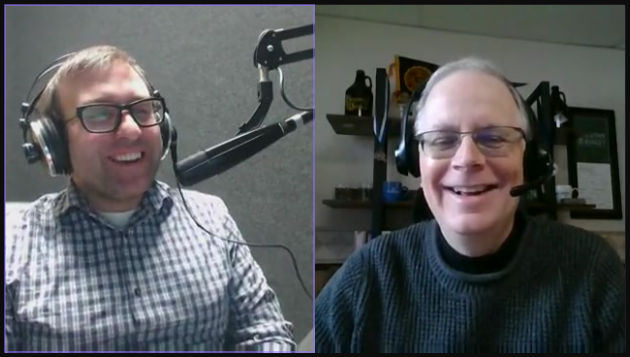
Bob Schneider and Ryan Wrecker of Detroit's WWJ radio talk about the Executive Budget for fiscal years 2026-27. They discuss everything from "where's the road funding" to K-12, new "sin" taxes on vaping and patches to yet another initiative designed to cast more sunshine and transparency on state budget earmarks. Catch up on everything in less than 25 minutes!
Find all #FactsMatter podcasts on SoundCloud, Apple, Spotify, Amazon or wherever you get your podcasts.
|
Join Us After Work in Detroit Next Week
|
Please join us next Wednesday, February 19, from 6-7:30 pm, at BasBlue in Detroit, with complimentary charcuterie and a cash bar, hosted by Research Council Director Aya Waller-Bey. Registration is required. Learn more and RSVP here.
This informal gathering is designed to let Detroiters know who the Citizens Research Council is, more about our Detroit Bureau, what we do, and how everyone can use our public policy research, analyses, and expertise to help make Detroit and Michigan a better place to live. We will give a short overview of Detroit-focused research and we hope to hear the concerns and questions as we move into new year with a divided Legislature, a Detroit mayor's race and a host of challenges and opportunities.
Click here for information on all events here: https://crcmich.org/event.
|
Register Now! Webinar to Explore Details of Gov. Whitmer's Recommended Budget
|
Join us Tuesday, February 18, at 11 am as MIRS News and Research Council budget experts discuss Governor Whitmer's spending and tax proposals for FY26 and what it means for anticipated discussions regarding road funding, K-12 education, local governments and economic development. While revised January estimates improved the state's revenue picture, overall budget growth was much lower than in prior years, as one-time state and federal revenues tied to the COVID pandemic disappear. We would love to have you join us and take your questions.
|
Research Council Presentations in Detroit and Lansing
|
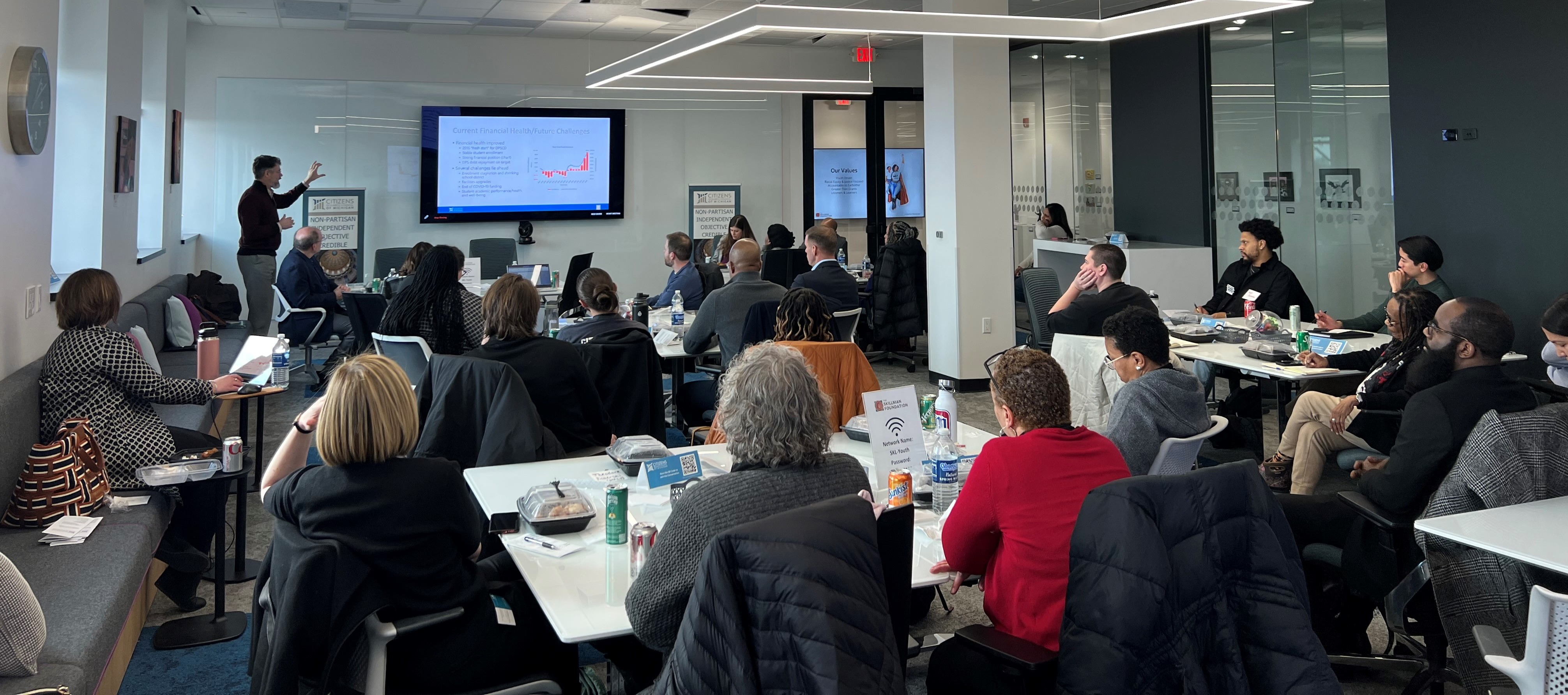
Citizen Research Council's Craig Thiel, Stephanie Baron and Eric Lupher met with a wide range of organizations interested in our work and how it could be used to inform their work on February 10 at The Skillman Foundation in Detroit. The intention is that this inaugural meeting be the first of many conversations on policy issues that intersect with Detroit and its continued progress. The conversation ranged from education, leveraging libraries as community hubs and looking at their financial structure, to data collection and sourcing. Investment, tax reforms, neighborhoods and the city overall were focal points of interest. The Research Council will look for ways to add these topics to our research agenda in the near future.
|
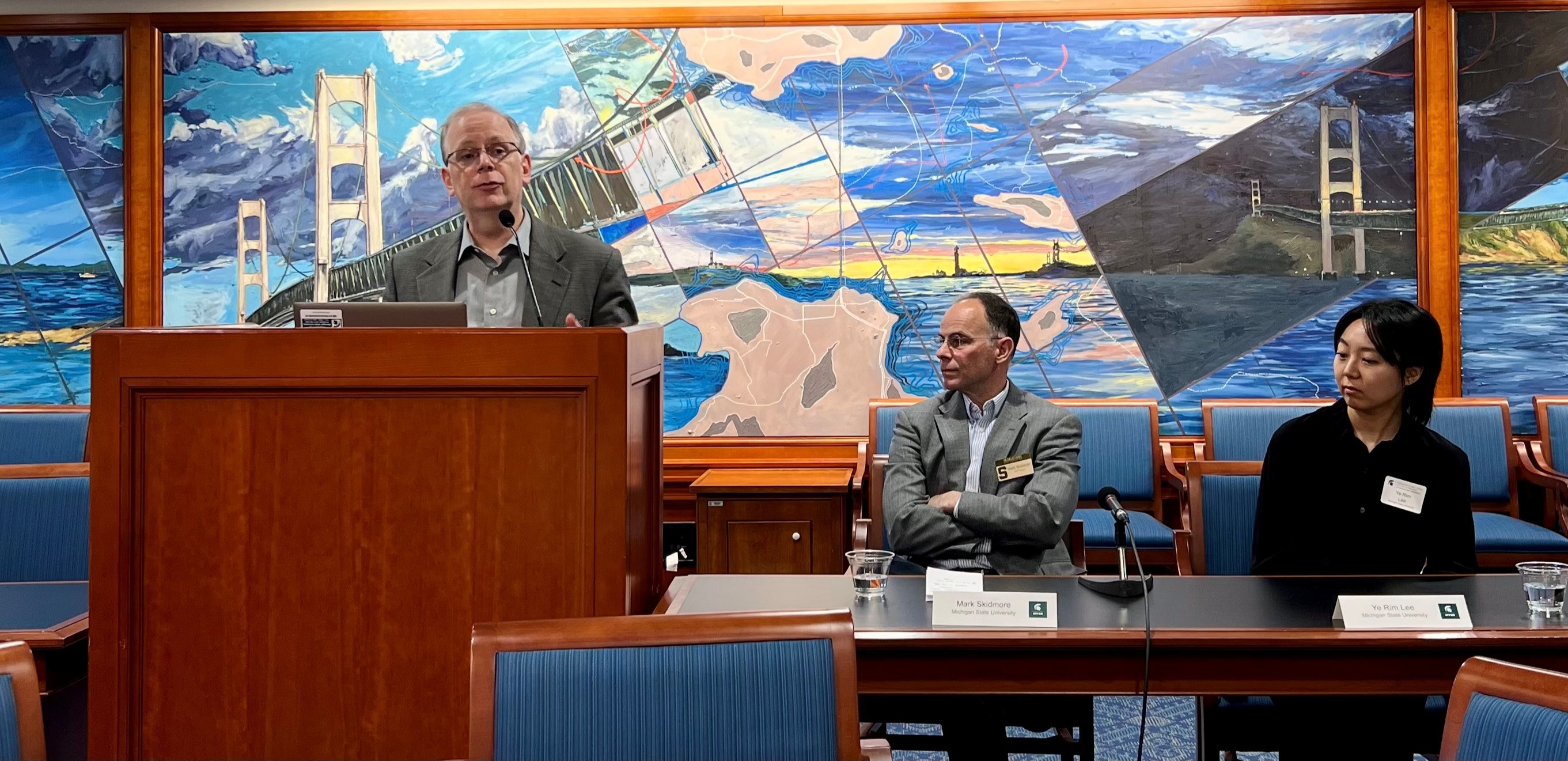
Bob Schneider, senior research associate for state affairs at the Research Council, gave a presentation on Michigan's revenue and budget outlook for FY2026 at a February 4 forum on "The Michigan Economy," where he was a panelist. The event was part of an ongoing series of public forums hosted by MSU's Institute for Public Policy and Social Research (IPPSR). Click here to view.
|
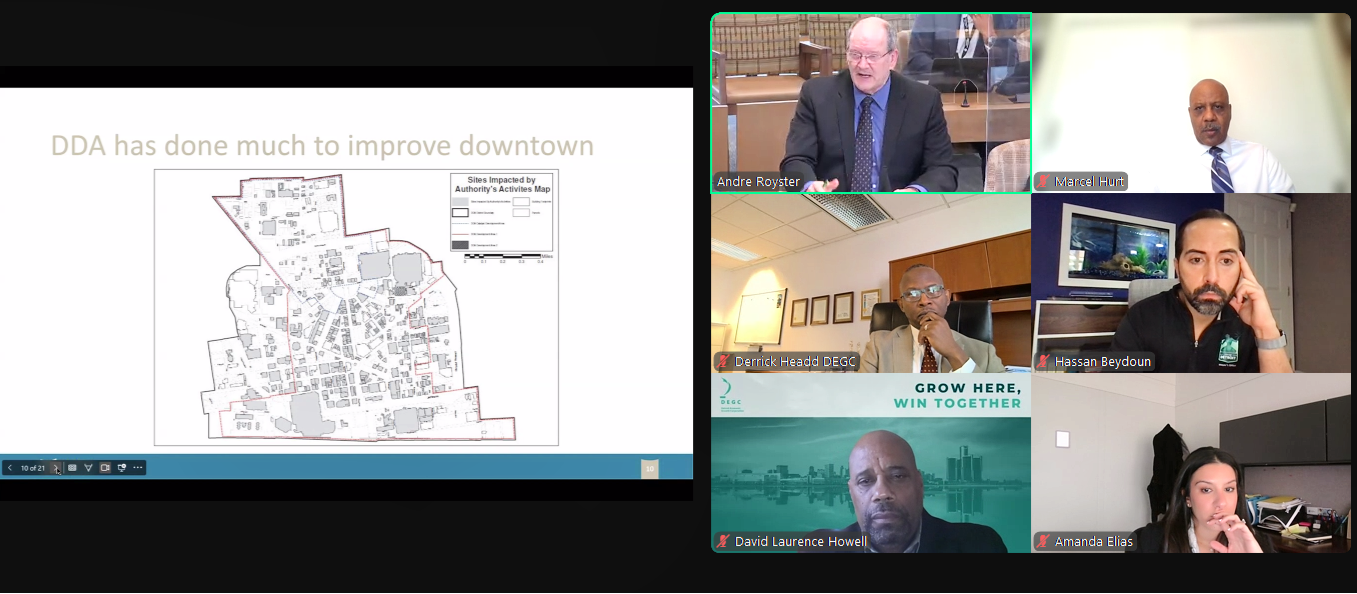
Last week, Eric Lupher, president of the Citizens Research Council, also presented three major research papers before the Detroit City Council's Planning and Economic Development Standing Committee, commissioned by the City Council. The papers assessed and analyzed the City of Detroit's economic condition, economic development policies, opportunities for reform and alternative approaches to reliance on tax incentives. The presentation can be found here (p. 5). Click below to access the research and analyses:
-- Detroit's Economic Condition and Economic Development Efforts
-- Detroit's DDA and Funding Government Operations Again
-- Detroit's Use of Tax Abatements; Strategies to Improve Competitiveness
Additionally, Lupher presented his paper on Detroit's Downtown Development Authority (DDA) before the Equitable Development Task Force of the Detroit City Council, made up of three committees that include: Taxation, Economic Development and Accessibility, and Zoning and Land Use. The task force was created to address the needs of underserved communities through policies and programs that reduce disparities while fostering places that are healthy and vibrant.
|
The Research Council in the News
|
What’s a Con-Con? Michigan voters will decide if they want to rewrite the constitution in 2026, Michigan Advance (February 10)
Opinion: How to make Michigan’s Legislature less dysfunctional, Crain’s Business (February 10)
Whitmer proposes tax on vapes, nicotine products to curb usage, generate more revenue, WWJ Detroit (February 6)
CRC: State Budget Surplus Comes From Expiring Corporate Tax Earmarks, MIRS News (February 4)
House speaker wants to pull back business tax credits to pay for roads. Experts say it won’t be so simple, Crain’s Detroit (January 23)
Fiscal Experts: 2025 is a great time to give local governments some options on funding, MAC (January 23)
Bigger ideas needed to really fix Michigan’s damn roads, Bridge Michigan (January 21)
While Both Sides Blather On About “Fixing The Damn Roads” – Michigan Road Funding Ranks 30th Nationally, Thumbwind (January 21)
Michigan making record interest income on mountain of cash, Detroit News (January 20)
|
Do you want to ensure better policy decisions and better government in Michigan? A donation to support our organization will help us to continue providing the trusted, unbiased, high-quality public policy research Michigan needs. We also accept charitable bequests. Click the fuel tank to donate or learn more about planned giving.
|
Citizens Research Council of Michigan
Livonia 734.542.8001 | Lansing 517.485.9444 | Holland 616.294.8359
|
|